Best Ways to Protect Marble Countertops from Stains
Best Ways to Protect Marble Countertops from Stains
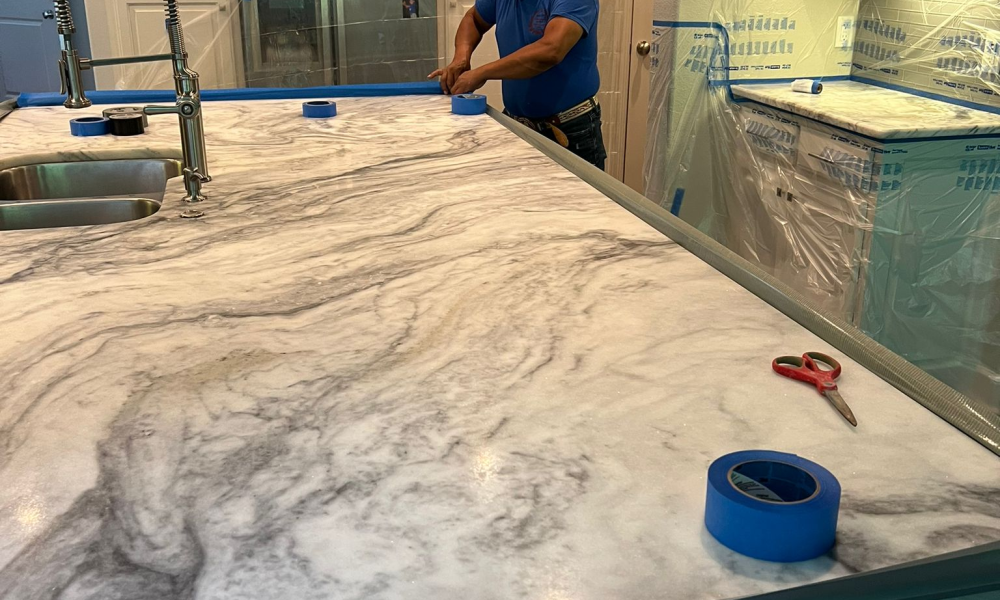
Marble countertops add timeless beauty and elegance to kitchens, bathrooms, and commercial spaces. Their luxurious appearance makes them one of the most popular natural stone surfaces for homeowners and businesses alike. However, marble is also a porous material, meaning it can absorb liquids and become stained if not properly maintained. Understanding how to protect marble countertops from stains is essential for preserving their shine, durability, and long-term value.
In this guide, we’ll explore the best ways to keep your marble countertops looking beautiful and stain-free for years to come.
Why Marble Countertops Are Vulnerable to Stains
Marble is a natural stone formed from limestone under heat and pressure. Because of its composition, marble contains tiny pores that can absorb liquids such as coffee, wine, oils, juice, and cleaning chemicals. Acidic substances can also cause etching, which dulls the surface and damages the finish.
Without proper care, marble countertops may develop:
- Water spots
- Oil stains
- Food discoloration
- Etching marks
- Dull areas
- Surface scratches
Fortunately, with the right maintenance routine and professional care, you can significantly reduce the risk of damage.
Seal Your Marble Countertops Regularly
One of the most effective ways to protect marble countertops is by applying a high-quality stone sealer. Sealing helps create a protective barrier that slows down liquid absorption and minimizes staining.
How Often Should Marble Be Sealed?
The frequency depends on the type of marble and how often the surface is used. In general:
- Kitchen countertops may need sealing every 6–12 months
- Bathroom countertops may need sealing every 12–18 months
- High-traffic commercial surfaces may require more frequent maintenance
Professional marble sealing services provide better long-term protection and ensure the sealer is applied correctly.
Clean Spills Immediately
Quick action is essential when dealing with marble surfaces. Even sealed marble can stain if liquids remain on the surface for too long.
Common Staining Substances Include:
- Coffee
- Red wine
- Lemon juice
- Vinegar
- Cooking oils
- Tomato sauce
- Makeup products
Use a soft cloth or paper towel to blot spills immediately. Avoid wiping aggressively, as this can spread the liquid further across the surface.
Use pH-Neutral Cleaners
Many household cleaners contain harsh chemicals or acidic ingredients that can damage marble. Products containing bleach, ammonia, vinegar, or citrus should never be used on natural stone surfaces.
Instead, choose:
- pH-neutral stone cleaners
- Mild soap with warm water
- Soft microfiber cloths
Gentle cleaning helps preserve the polished finish and prevents unnecessary wear.
Avoid Direct Contact with Hot Items
Although marble is heat resistant, sudden temperature changes can weaken the surface over time. Hot pans, pots, or appliances placed directly on marble countertops may cause discoloration or cracking.
Protect the surface by using:
- Trivets
- Heat pads
- Protective mats
These simple precautions can help maintain the integrity of your countertops.
Use Cutting Boards and Coasters
Marble is softer than granite and can scratch more easily. Cutting directly on the countertop may damage the surface and dull the polish.
To prevent scratches and stains:
- Use cutting boards when preparing food
- Place coasters under beverages
- Avoid dragging heavy objects across the surface
These habits help preserve both the beauty and functionality of marble countertops.
Schedule Professional Marble Polishing and Restoration
Over time, even well-maintained marble can lose its shine. Professional marble polishing restores the natural gloss while removing light scratches, dull spots, and minor etching.
Professional restoration services may include:
- Deep cleaning
- Honing
- Polishing
- Sealing
- Stain removal
Routine professional maintenance extends the lifespan of marble countertops and keeps them looking like new.
Prevent Water Damage Around Sinks
Water exposure can leave mineral deposits and dull areas on marble surfaces, especially around sinks and faucets.
To reduce water damage:
- Wipe countertops dry after use
- Fix leaking faucets promptly
- Avoid leaving wet sponges or towels on the surface
Consistent care helps prevent moisture-related discoloration.
Choose Professional Marble Care Services
Proper marble maintenance requires specialized knowledge and equipment. Hiring experienced professionals ensures your countertops receive the right treatment without causing accidental damage.
Professional marble care services can help with:
- Marble polishing
- Marble sealing
- Stain removal
- Scratch repair
- Surface restoration
Experienced technicians understand the unique needs of natural stone and use safe methods to preserve its appearance.
Our Services
Restore the Beauty of Your Floors
Professional marble and terrazzo refinishing brings back shine, smoothness, and long-lasting protection to your surfaces.
Let our team give you a hand.
Give us a call and clear any doubt you may have
We will give you advice and guidance throughout the process of your project
Social Networks





Links List
Address List
- Monday to Sunday 7:00am - 7:00pm
-
We Speak Spanish
25 Years Of Experience - Cash and Checks
- (501) 707-4011
- (501) 425-6018
-
info@martinezmarble
concretepolishingllc.com -
estimate@martinezmarble
concretepolishingllc.com